Causes of Hair Loss in Women
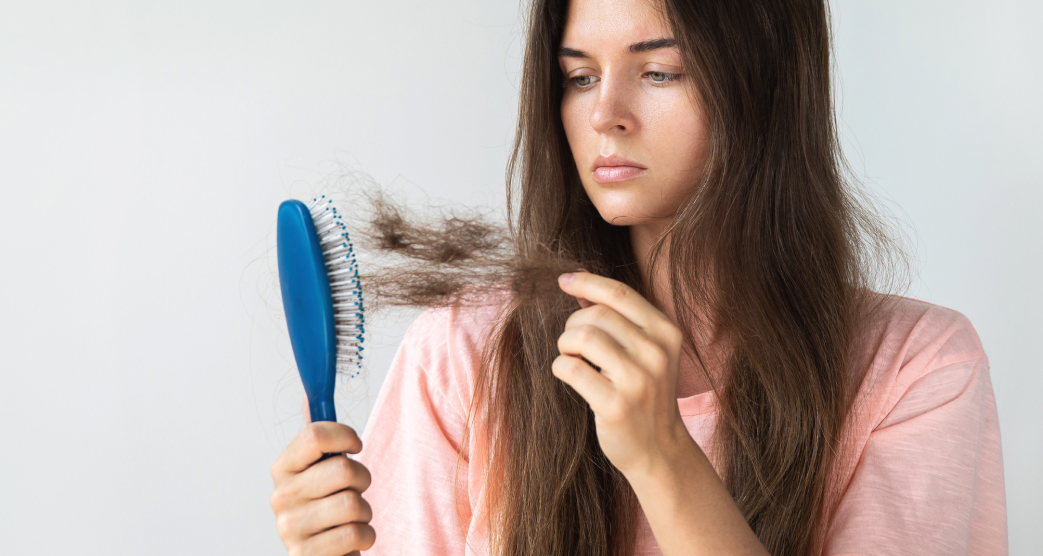
Hair loss in women can develop for several reasons, but the most common cause of progressive patterned thinning is female pattern hair loss, also known as androgenetic alopecia. Although hereditary pattern baldness is widely associated with men, this same broad category of hair loss affects millions of women, often beginning much earlier in life than many people realize.
Female pattern hair loss is not simply a consequence of aging, stress or menopause. It is a progressive condition in which susceptible hair follicles gradually produce finer, shorter hairs, reducing overall hair density. Other conditions can also cause significant thinning or excessive shedding, sometimes occurring alongside female pattern hair loss. Understanding these differences is essential because an accurate diagnosis determines which treatments are most appropriate.
Female Pattern Hair Loss (Androgenetic Alopecia)
Androgenetic alopecia is the most common form of progressive patterned hair loss in both men and women. Despite its longstanding association with male pattern baldness, it is also a major cause of thinning hair in women. Female pattern hair loss becomes increasingly common with age, affecting a substantial proportion of women by middle age and becoming particularly prevalent later in life. However, the condition can also begin during adolescence or early adulthood.
The defining characteristic of pattern hair loss is the gradual miniaturization of susceptible hair follicles. Over time, follicles produce hairs that become progressively thinner and shorter, resulting in reduced coverage and greater scalp visibility. In men, this commonly produces a receding hairline, thinning crown or both. In women, the presentation is more often a widening central part, reduced density across the top of the scalp or noticeable loss of overall hair volume. Many women retain much of their frontal hairline, although other patterns of thinning can occur.
One of the most persistent misconceptions about female pattern hair loss is that it must be caused by abnormal hormone levels. While androgens, including testosterone and dihydrotestosterone (DHT), play an established role in male pattern baldness, their contribution to female pattern hair loss is more complex. Most women with this condition have circulating androgen levels within the normal female range. Normal hormone test results therefore do not rule out androgenetic alopecia, and elevated androgen levels are not necessary for the condition to develop.
Genetics play an important role, but female pattern hair loss does not follow a simple pattern of inheritance. A woman may develop the condition even when no close relatives have obvious hair loss. Hormonal influences, age-related changes and differences in how individual hair follicles respond to their biological environment can also contribute to its development and progression.
The importance of recognizing androgenetic alopecia in women cannot be overstated. Because female pattern hair loss often develops gradually and without the familiar signs of male pattern baldness, it may go unrecognized for years. Women are frequently told that their thinning is caused by stress, nutritional deficiencies or normal aging without receiving a thorough evaluation. Although these factors can influence hair growth, they should not automatically be accepted as explanations for persistent shedding or progressive thinning.
How Female Pattern Hair Loss Differs from Male Pattern Baldness
Although male and female pattern hair loss share the characteristic process of follicular miniaturization, their clinical presentation and hormonal influences are not identical. These distinctions are important when evaluating treatment options and determining whether medications commonly prescribed to men may also be appropriate for women.
In men, androgenetic alopecia is strongly associated with DHT and the inherited sensitivity of certain scalp follicles to androgen activity. Treatments that reduce DHT, particularly finasteride and dutasteride, can help preserve existing hair in appropriately selected men. In women, the relationship between circulating androgens and pattern hair loss is less predictable. Treatment decisions require consideration of age, reproductive status, medical history and other contributing factors. Medications that influence androgen activity also carry important reproductive safety considerations, and treatment approaches developed for men cannot automatically be applied to women.
Women more commonly experience widespread thinning across the central scalp rather than the clearly defined recession often seen in men. Some women also develop thinning in areas normally considered for donor hair, including the sides or back of the scalp, which can make hair transplantation inappropriate. The American Hair Loss Association advocates exceptionally careful surgical selection because many women seeking hair transplantation are not suitable candidates.
These differences do not make female pattern hair loss a less serious condition. They underscore why women require an accurate diagnosis and treatment recommendations based on their individual circumstances rather than approaches developed primarily for male pattern baldness.
Hormonal Contraceptives and Early-Onset Female Pattern Hair Loss
The American Hair Loss Association believes that the potential role of hormonal contraception in triggering or accelerating early-onset female pattern hair loss is one of the most overlooked issues in women’s hair health. For more than two decades, the AHLA has encountered a consistent pattern among younger women seeking help for progressive thinning: many report that their hair loss began or noticeably worsened after starting, switching or discontinuing hormonal birth control. In the AHLA’s experience, this association is too common and consequential to be dismissed as an incidental complaint.
Hormonal contraceptives alter the body’s hormonal environment, and different formulations can have substantially different effects on androgen activity. Certain progestins have greater androgenic properties, while others have lower androgenic or antiandrogenic effects. These differences may be particularly relevant for women who are genetically susceptible to pattern hair loss, even when their naturally occurring androgen levels are within the normal female range. However, the hormonal profile of a contraceptive does not reliably predict how every individual woman will respond.
Starting, changing or discontinuing hormonal contraception can also disrupt the hair growth cycle and trigger excessive shedding. However, the AHLA believes it is essential to distinguish temporary shedding from the possibility that a hormonal change has triggered or accelerated previously unrecognized follicular miniaturization in a susceptible woman. When progressive thinning follows a contraceptive change, it should not automatically be dismissed as temporary telogen effluvium without a thorough evaluation.
The AHLA’s longstanding experience raises serious questions about the role hormonal contraceptives may play in triggering or accelerating female pattern hair loss in susceptible women. This relationship deserves far more independent research, particularly to determine when a hormonal change causes temporary shedding and when it may contribute to progressive thinning. Although the association has repeatedly observed this pattern among women seeking its assistance, the extent to which hormonal contraception causes or accelerates androgenetic alopecia in the broader female population has not been established through large, well-controlled studies.
Women considering hormonal contraception, particularly those with a family history of pattern hair loss or existing thinning, deserve to understand the potential hair-related effects of different formulations. Women experiencing hair loss after starting, switching or discontinuing contraception should receive an appropriate evaluation rather than being reassured that the shedding will necessarily resolve. Any decision to change contraception should be made with the prescribing healthcare professional, taking both hair-related concerns and the individual’s overall medical needs into account.
Other Hormonal Influences on Hair Loss
Hormonal changes can influence hair growth throughout a woman’s life. Puberty, pregnancy, childbirth, menopause and certain medical conditions may alter the normal hair growth cycle or contribute to the progression of an existing hair loss disorder. However, not every episode of shedding associated with hormonal changes represents androgenetic alopecia.
Polycystic ovary syndrome (PCOS), for example, may be associated with elevated androgen activity and female pattern hair loss. Women with irregular menstrual periods, acne, excessive facial or body hair growth, or other signs of androgen excess may require additional hormonal evaluation. Nevertheless, most women with female pattern hair loss do not have PCOS or another identifiable disorder causing elevated androgen levels.
Pregnancy and childbirth can also produce significant changes in hair growth. Many women notice increased hair fullness during pregnancy, followed by pronounced shedding after delivery as hormonal levels change. This postpartum shedding is generally temporary, but it can also reveal underlying female pattern hair loss that was previously less noticeable.
Menopause is another period during which changes in hair density may become more apparent. Declining estrogen levels, aging and genetic susceptibility can all contribute to changes in hair growth, although menopause itself should not automatically be considered the sole cause of progressive thinning.
Other Common Causes of Hair Loss in Women
Although androgenetic alopecia is the most common cause of progressive patterned thinning, several other conditions can produce significant hair loss. Some are temporary or reversible, while others require prompt medical attention to prevent permanent follicular damage.
Telogen Effluvium: Telogen effluvium occurs when an unusually large number of hair follicles enter the resting phase of the hair growth cycle, leading to increased shedding, often several months later. It may follow childbirth, significant illness, major surgery, rapid weight loss, severe physiological stress, nutritional deficiencies or certain medication changes. Many cases improve once the underlying cause is addressed, although some women experience prolonged or recurring shedding.
One of the most important and frequently overlooked issues in diagnosing women’s hair loss is the distinction between telogen effluvium, chronic telogen effluvium and androgenetic alopecia. Women experiencing persistent shedding are sometimes diagnosed with chronic telogen effluvium when progressive female pattern hair loss may actually be responsible. Both conditions can also occur together, with increased shedding making underlying follicular miniaturization more apparent. A diagnosis of chronic telogen effluvium should not be accepted without an appropriate evaluation for female pattern hair loss, particularly when there is a widening central part, reduced hair density or progressive thinning.
Alopecia Areata: An autoimmune disorder in which the immune system attacks hair follicles, often producing distinct patches of hair loss. Some women develop more extensive scalp involvement, diffuse thinning or loss of eyebrows and eyelashes. The course can be unpredictable, with periods of regrowth and recurrence. Treatment depends on the extent and severity of the condition.
Nutritional Deficiencies and Medical Conditions: Iron deficiency, thyroid disorders, inadequate protein intake and other nutritional or medical problems can contribute to hair thinning or excessive shedding. However, nutritional deficiencies should not automatically be assumed to explain progressive hair loss. Laboratory testing should be guided by medical history, symptoms and clinical findings rather than indiscriminate testing or supplementation.
Medication-Related Hair Loss: Certain medications can disrupt the normal hair growth cycle or contribute to shedding. The likelihood and timing depend on the medication, dosage and individual susceptibility. Anyone concerned about medication-related hair loss should consult the prescribing healthcare professional before changing or discontinuing treatment.
Scarring Alopecias: Certain inflammatory hair loss disorders, including frontal fibrosing alopecia, lichen planopilaris and central centrifugal cicatricial alopecia, can permanently damage hair follicles. Symptoms may include scalp itching, burning, tenderness, redness, scaling or changes in the appearance of the scalp, although some cases develop with relatively few symptoms. Early recognition is particularly important because treatment aims to control inflammation and preserve follicles before irreversible damage occurs.
Traction Alopecia and Hair-Care Practices: Repeated tension from tight hairstyles, extensions, braids or other styling practices can cause hair loss, particularly along the hairline and other areas exposed to persistent pulling. Early traction alopecia may improve when the tension is eliminated, but prolonged injury can produce permanent follicular damage.
When More Than One Cause Is Present
A woman can experience more than one type of hair loss at the same time. This is particularly important when sudden or excessive shedding occurs in someone who already has underlying female pattern hair loss.
For example, childbirth, illness, significant weight loss or a medication change may trigger telogen effluvium, causing a noticeable increase in shedding. If androgenetic alopecia was already developing gradually, the sudden loss of additional hairs may make that underlying thinning much more apparent. The temporary shedding may eventually improve, while the progressive pattern hair loss continues unless it is separately addressed.
A triggering event may therefore cause a separate episode of shedding, reveal an underlying hair loss disorder or coincide with changes already taking place. Determining whether more than one condition is present is essential for understanding what can reasonably be expected from treatment and whether progressive hair loss requires additional medical management.
Why an Accurate Diagnosis Matters
Hair loss in women should never be treated as a single condition with a single solution. Female pattern hair loss, excessive shedding, autoimmune disorders and inflammatory conditions may produce overlapping symptoms, but their causes and treatment requirements can be very different.
A knowledgeable healthcare professional can evaluate the pattern of thinning, the history and timing of hair loss, associated symptoms and evidence of follicular miniaturization. Examination with trichoscopy, which uses magnification to assess the scalp and individual hairs, can help distinguish female pattern hair loss from other disorders. Laboratory testing or scalp biopsy may be appropriate in selected cases when the diagnosis remains uncertain or an underlying medical condition is suspected.
Early evaluation can make a meaningful difference. Some forms of hair loss can improve when their triggers are addressed, while progressive conditions may require ongoing treatment to preserve existing hair. Scarring disorders deserve particular attention because follicles that have been permanently destroyed cannot be restored through conventional medical treatment.
An accurate diagnosis is the foundation of effective treatment, realistic expectations and informed decisions. It also helps women avoid unnecessary spending on products and procedures that may offer little benefit for their particular condition.
The AHLA Perspective
The American Hair Loss Association believes that androgenetic alopecia remains one of the most misunderstood and frequently overlooked causes of hair loss in women. Despite affecting millions of women, hereditary pattern hair loss continues to be widely associated with men, while women experiencing progressive thinning are often told that their condition is caused by stress, aging or temporary hormonal changes without receiving an accurate diagnosis.
The AHLA has also consistently raised concerns about the potential relationship between hormonal contraception and early-onset female pattern hair loss, as well as the possibility that women diagnosed with chronic telogen effluvium may actually be experiencing progressive follicular miniaturization. These issues deserve greater medical attention, careful evaluation and continued independent research.
Women should never have to spend years searching for answers while their hair loss progresses. The AHLA believes that accurate diagnosis, appropriate treatment and protection from misleading products and procedures must remain central to the medical care of women experiencing hair loss. Our commitment is to ensure that women have access to credible information, realistic treatment guidance and the recognition that their hair loss deserves serious medical attention.