Women’s Wigs, Hairpieces, and Toppers
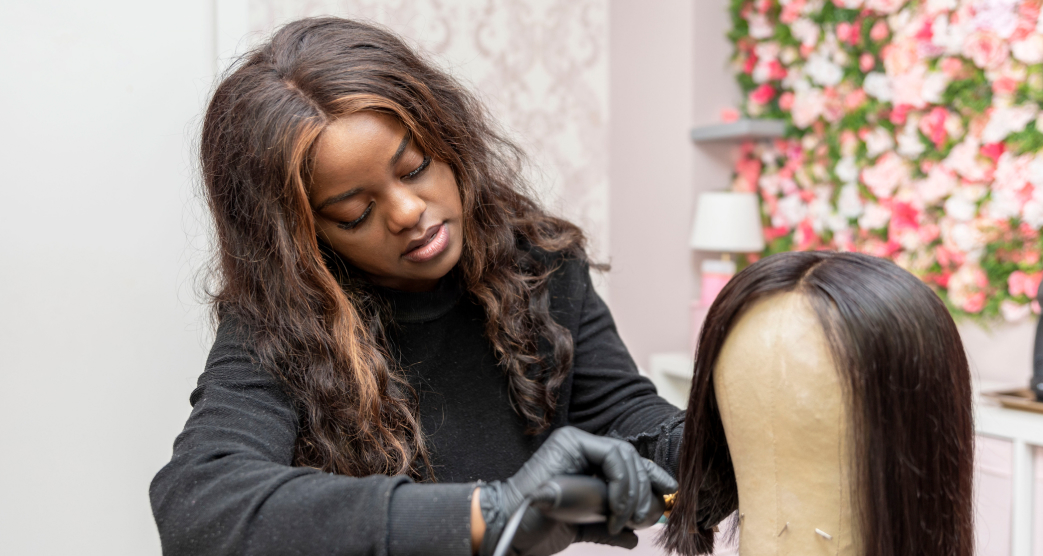
For a woman experiencing significant hair loss, deciding to wear a wig or hairpiece can be both liberating and deeply emotional. Modern hair replacement can provide an extraordinarily natural appearance and immediate control over something that may have felt increasingly beyond her control.
But buying a wig is not the same as buying an ordinary beauty product. Fit, construction, density, hair quality, color, texture, scalp comfort, customization and maintenance all affect the final result. Prices can range from relatively inexpensive synthetic wigs to premium human hair pieces costing many thousands of dollars.
The growth of online wig retailers, social media and wig influencers has also changed the way women shop for hair. A piece that looks extraordinary in a professionally styled video may not look or behave the same way when it arrives at your home.
A great wig can change how a woman feels about living with hair loss. Choosing one successfully requires more than finding something that looks good on a screen.
Why Women Choose Wigs and Hairpieces
Women wear hair for many different reasons and at many different stages of hair loss.
A woman with advanced female pattern hair loss may need substantially more coverage than a small topper can provide. Alopecia areata can progress to extensive scalp loss, alopecia totalis or alopecia universalis. Scarring alopecias can permanently destroy follicles. Cancer treatment and other medical therapies can cause temporary or prolonged hair loss. Other women may simply reach a point where trying to camouflage progressive thinning becomes more difficult than wearing a well fitted wig.
The underlying diagnosis still matters. A wig provides cosmetic coverage, not treatment, and women with unexplained hair loss should be properly evaluated even if hair replacement immediately solves the cosmetic problem.
The Emotional Reality of Wearing Hair
The emotional side of hair replacement deserves to be discussed honestly.
For some women, putting on a beautiful wig for the first time creates immediate relief. They recognize themselves again. They stop worrying about bright lighting, photographs, wind or whether someone is looking at their scalp. Hair replacement can restore confidence and make social situations considerably easier.
For others, the adjustment takes time.
Even the most beautiful wig is not the same experience as having your own hair. It has to be put on, positioned, cared for and maintained. A woman can look objectively wonderful in a wig and still initially feel unlike herself.
That does not mean hair replacement is failing. It means adapting to hair loss and adapting to wearing hair are two different processes.
Women should give themselves permission to learn what feels right. Some eventually wear a wig every day. Others rotate several pieces. Some use wigs only in particular situations, while others decide that they feel more comfortable without one.
There is no correct emotional response and no single right way to live with hair loss.
Wig, Hairpiece, or Topper?
The terminology can be confusing because the terms often overlap.
A wig usually provides full scalp coverage. The term hairpiece is broader and can describe either complete or partial hair replacement.
A hair topper is a partial hairpiece designed to cover a specific area of thinning while incorporating some of the wearer’s natural hair.
Toppers present their own questions involving base size, clips, bonding, density and the condition of the remaining hair. Women considering partial coverage should see the AHLA Hair Toppers for Women guide for a complete discussion.
What Makes a Wig Look Natural?
There is no single feature that makes a wig look real.
A natural result is created by the relationship between fit, cap construction, hairline, density, part, hair direction, color, texture, scalp tone and customization.
The frontal hairline is especially important when it is exposed. Fine lace can help create an excellent transition into the skin, but expensive lace alone will not compensate for excessive density or an unnatural hairline.
The part also matters. Lace, monofilament, silk and other scalp like materials create different appearances. The color of the base should work with the wearer’s skin tone, while the hair itself needs to make sense for her age, coloring, natural texture and preferred style.
Density is frequently underestimated. More hair is not automatically better. One of the easiest ways to make an expensive wig look artificial is to put too much hair on it.
Fit is equally important. A wig that is too large can shift, bunch or create excess material around the head. A wig that is too tight can be uncomfortable and place unnecessary pressure on the scalp.
Before ordering online, measure the circumference of the head, front to back and ear to ear, and compare those measurements with the specific manufacturer’s size chart. Wig sizing is not completely standardized, so a size that fits correctly in one brand may not fit exactly the same way in another.
Women purchasing a wig before chemotherapy or another treatment expected to cause substantial hair loss should also understand that the fit can change once the natural hair is gone.
The most natural looking wig is therefore not necessarily the most expensive or the one made with the thinnest lace. It is the piece in which all of these variables work together.
How Women’s Wigs Are Constructed
Wig construction ranges from relatively simple machine made caps to sophisticated pieces in which individual hairs are tied by hand.
Industry terminology is not completely standardized. Terms such as silk top, French top, skin top and medical cap can be used somewhat differently by different manufacturers and retailers, so consumers should look at the actual construction rather than relying on the product name alone.
Wefted construction uses rows of hair sewn onto sections of the cap. Wefted wigs can be durable, relatively lightweight and less expensive to manufacture.
Lace fronts use fine lace along the frontal hairline to create a more natural transition between the wig and the skin.
Lace tops and monofilament tops allow individual hairs to be knotted into a mesh material, creating a more realistic part and greater freedom in styling.
Silk tops and French tops generally use additional material to conceal knots and create the appearance of hair emerging through the scalp. They can provide excellent realism through the part but are usually more substantial than very fine lace.
Hand tied wigs have individual hairs attached throughout much or all of the cap rather than relying primarily on machine sewn wefts. This can produce excellent movement and comfort but requires considerably more labor.
Polyurethane and skin like materials are also used in some wigs, either alone or as part of hybrid construction. They can provide a close scalp appearance and useful attachment surfaces but differ significantly in thickness, ventilation and durability.
Many high quality wigs combine several construction methods. There is no single cap construction that is universally superior.
What Is a Medical Wig?
The term medical wig or medical cap does not describe one universally standardized construction. It generally refers to wigs designed with the comfort and security needs of women experiencing significant or complete medical hair loss in mind.
Features can include softer cap materials, reduced internal friction, silicone gripping areas or other methods intended to improve comfort and security on a bare or sensitive scalp.
The term itself should not be taken as a guarantee of quality. The actual construction, fit, materials and suitability for the individual wearer still matter.
Human Hair or Synthetic Hair?
Both can produce excellent results.
Synthetic wigs can be remarkably realistic, are generally less expensive and often maintain their intended style with relatively little work. Their limitations depend on the fiber. Some tolerate controlled heat while others do not, and synthetic fibers eventually develop wear, friction and changes in texture.
Human hair provides greater freedom for cutting, styling and color adjustment and can create extremely natural movement. But human hair is not a guarantee of quality.
Terms such as Remy, virgin, European, Russian, Brazilian and premium are widely used throughout the industry. Consumers should not assume that a marketing term by itself tells them how well the hair will perform.
Remy generally refers to human hair kept in consistent root to tip orientation so that the cuticles remain aligned. It does not automatically mean virgin or unprocessed.
Human hair may have undergone bleaching, coloring, texturizing or other processing long before the finished wig reaches the consumer. Hair origin, processing, cuticle condition, diameter, sorting and manufacturing all affect the finished product.
How Wigs Are Manufactured and Sold
Many consumers understandably assume that the company name on a wig identifies the company that actually manufactured it. That is not always the case.
The wig industry includes manufacturers, wholesalers, distributors, private label brands, salons, online retailers and individual sellers. A retailer may work with an outside manufacturer and specify the hair, color, length, density, cap construction or other details before selling the finished product under its own brand.
That does not mean the retailer adds no value. Specification, quality control, selection, fitting, customization, color work, service and education can all make a significant difference.
But consumers should understand that branding and retail price do not necessarily reveal who manufactured the underlying wig or how different it is from products sold through other channels.
What Are You Actually Paying For?
Women’s wigs exist at almost every price point.
Basic synthetic wigs can cost well under a few hundred dollars. Quality human hair wigs commonly cost hundreds to several thousand dollars. Premium European hair, highly customized construction and bespoke hand made wigs can exceed $10,000, with some pieces reaching $15,000 or more.
That does not mean a $10,000 wig will automatically look more natural on you than a $2,000 wig.
Price can reflect the cost and scarcity of the hair, the amount of hand work involved, cap construction, customization, length, color work, density adjustment and the reputation of the seller. It can also reflect branding and markup.
Price should never be used as a substitute for evaluating the actual wig.
A less expensive wig with the right fit, density, color and customization can look exceptional. A very expensive wig that is too dense, improperly fitted or poorly suited to the wearer can look artificial.
Wigfluencers, Social Media, and Online Wig Marketing
Social media has made it easier than ever to discover beautiful hair replacement. It has also made buying hair considerably more confusing.
Wig retailers routinely work with influencers, content creators and affiliates. Some receive free products, commissions or other compensation for promoting particular brands.
When a wig has been gifted, a post is sponsored or the creator earns a commission through a purchase link or discount code, that relationship should be clearly disclosed. Consumers should take the financial relationship into account when evaluating the recommendation.
Look carefully at what you are actually seeing.
The wig may have been professionally cut, colored, thinned, plucked, curled and styled before filming. Lace may have been tinted. Knots may have been altered. Lighting and camera angles can change the appearance of density, color and hairline realism.
The person demonstrating the wig may also have a completely different head shape, skin tone, face shape or natural hairline than you.
A transformation video shows you what a skilled person was able to achieve with that particular piece. It does not necessarily show you what will arrive in the box or what your day to day experience will be.
Social media can be useful for discovering products and seeing how wigs move in real life. It should not replace careful evaluation of the seller, specifications, return policy and independent consumer experiences.
Read the Return Policy Before You Buy
This may be one of the most important steps in purchasing a wig online.
A wig often needs to be tried on before a woman can know whether the size, color, density, hairline and overall appearance are right for her. Yet many return policies become extremely restrictive once anything has been changed.
Cutting the lace can make a wig nonreturnable. So can cutting the hair, coloring it, thinning it, washing it, styling it, applying products or making alterations to the cap.
Some retailers allow only a very short period in which to request a return. Others charge restocking fees or provide store credit rather than a full refund. Custom wigs and specially altered pieces are frequently final sale.
Before purchasing, find out:
- What is the return window?
- Is there a restocking fee?
- Who pays return shipping?
- Does trying the wig on affect eligibility?
- Does changing the part on the wig void or alter the return policy, or result in a restocking fee?
- Can the lace be cut?
- Does removing tags make the sale final?
- Does any customization eliminate the right to return it?
- Is the refund returned to the original payment method or only as store credit?
A woman spending thousands of dollars should know the answers before the wig is altered.
Do not allow a stylist or seller to cut the lace, color the hair or begin permanent customization until you are certain that you intend to keep the piece.
Fit, Security, and Scalp Health
A wig should feel secure without creating unnecessary tension.
Depending on the amount of natural hair present, wigs can be secured using adjustable cap features, wig grips, clips, combs, tape or adhesive. Wig grips can provide additional stability without attaching clips directly to the natural hair.
Women with complete scalp hair loss may have different attachment needs. Some use custom vacuum or suction style wigs that are precisely fitted to the scalp and designed to remain secure without conventional clips.
Clips and combs should not repeatedly pull on fragile hair. Adhesives can irritate the skin, contribute to contact dermatitis or folliculitis and can damage vulnerable hair during removal.
The American Hair Loss Association recommends removable hair replacement for women who are actively treating or medically monitoring hair loss. Regular access to the scalp and remaining natural hair is important for treatment, cleaning and evaluation. Continuously bonded systems are not appropriate when actively treating hair loss.
Women with permanent or complete hair loss may have different priorities and may choose adhesive or other attachment systems for greater security.
Some itching, warmth or mild discomfort can be part of the wig wearing experience, particularly during the adjustment period or after prolonged wear. Persistent or significant pain, burning, redness, pustules, sores or worsening scalp irritation, however, should not simply be accepted as part of wearing a wig and may require a change in fit, attachment method or medical evaluation.
Customization Is Often What Makes the Difference
A wig rarely needs to be worn exactly as it arrives.
Professional customization can include adjusting density, modifying the hairline, cutting face framing layers, changing the part, correcting color, adding roots, tinting lace and shaping the wig to complement the wearer’s face.
This is one reason the same wig can look dramatically different on two people.
Consumers should understand which customization is included in the purchase price and which services cost extra. They should also remember that customization frequently makes a wig nonreturnable.
The safest sequence is simple: make sure you want to keep the wig before permanently changing it.
Care and Lifespan
There is no universal lifespan for a wig.
How long it lasts depends on the quality of the hair or fiber, cap construction, frequency of wear, styling, chemical processing, washing, storage and the way it is handled.
Human hair gradually loses moisture, changes in color and shows the cumulative effects of heat and chemical processing because it no longer receives natural oils from the scalp. Synthetic fibers develop their own forms of wear.
Very delicate lace can provide exceptional realism but usually requires more careful handling than heavier construction.
Consumers should be skeptical of sellers who promise a specific lifespan without considering how the wig will actually be worn and maintained.
Insurance and Cranial Prostheses
Some health insurance plans provide coverage or reimbursement for wigs purchased because of medically related hair loss.
The term cranial prosthesis is commonly used in this context. Coverage, documentation requirements and reimbursement limits vary by insurance plan.
A physician prescription or other documentation may be required. Consumers expecting reimbursement should contact their insurer before purchasing to understand what is covered and what documentation the plan requires.
Making an Informed Choice
Modern wigs and hairpieces can provide women experiencing hair loss with extraordinary cosmetic freedom. For many women they restore confidence, privacy and a sense of normalcy that hair loss has disrupted.
But hair replacement is also a product that has to be purchased, fitted, learned, maintained and eventually replaced.
The goal should not be to find the most expensive wig, the most famous brand or the piece that looked best on an influencer.
The goal is to find hair that looks and feels right for you, fits your lifestyle and budget, protects your scalp and remaining hair, and allows you to live your life without your hair loss controlling it.
The Women’s Hair Loss Project
Navigating the women’s hair-wearing industry, especially in the current environment, can be an almost impossible task. The American Hair Loss Association recognizes these challenges and has forged a partnership with The Women’s Hair Loss Project to address them.
The Woman’s Hair Loss Project plays a pivotal role in providing invaluable guidance to consumers in this complex space. As the only AHLA Trusted Content Creator in the field, the project’s founder has dedicated nearly two decades to empowering women facing hair loss, offering them not just emotional support but also an objective, unbiased perspective on all aspects of hair-wearing.
Challenges of Online Purchasing: Purchasing wigs and toppers online can be a daunting and often frustrating experience. The digital marketplace is flooded with options, and not all products match their online portrayal. The Women’s Hair Loss Project provides a platform where many women share their experiences and insights, offering valuable advice on navigating this industry.
In summary, selecting the right women’s hair replacement solution requires careful consideration of factors such as hair type, base material, and ventilation methods, all tailored to your unique needs and preferences. Comprehensive research, peer insights, and guidance from experienced professionals, as facilitated by The Women’s Hair Loss Project, are vital for making the best choices for your individual situation.